Building an Accountant Site in the Bay Area? Carrd Does It for $19 a Year. - Autom84You
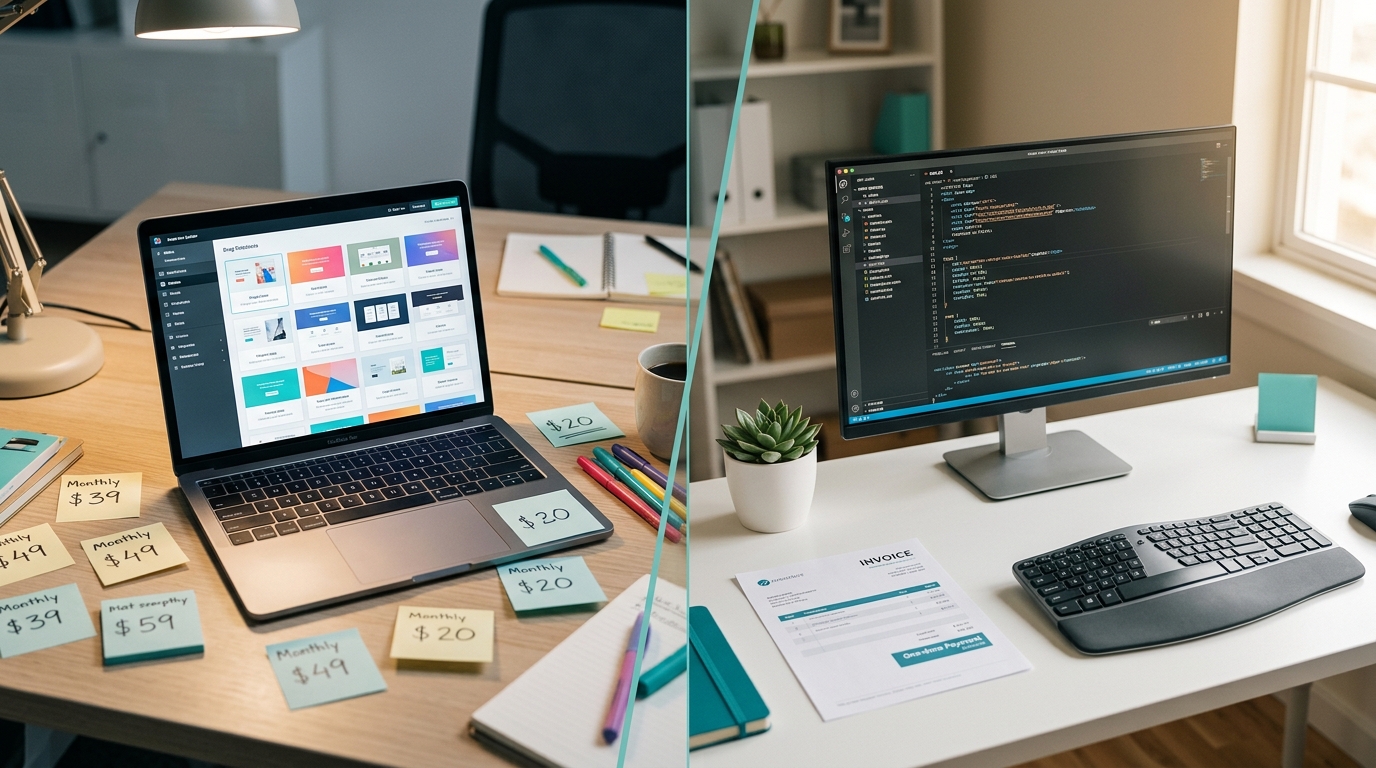
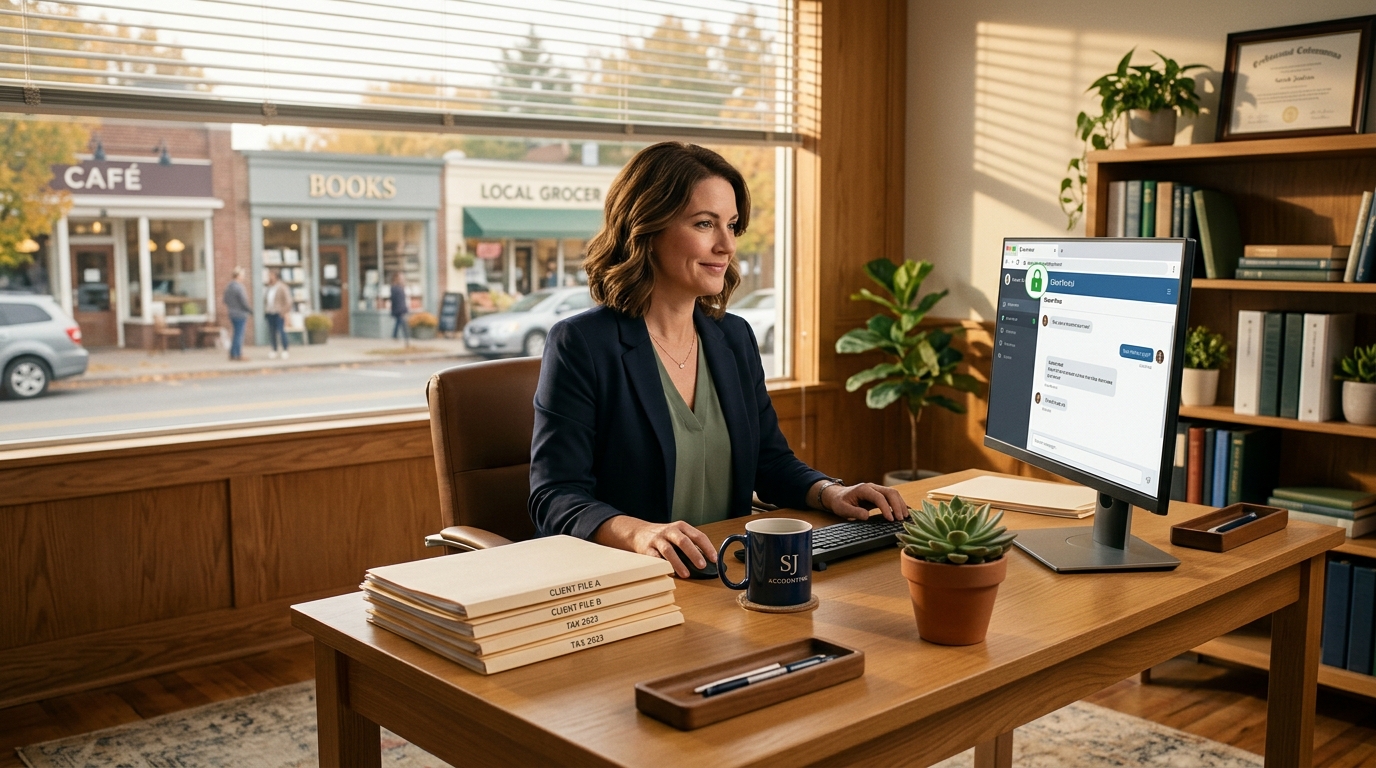
Most Bay Area CPAs pay $300+/year for website builders. Carrd costs $19/year and loads faster on mobile. Here's who it works for and who should skip it.
50 results found
Most Bay Area CPAs pay $300+/year for website builders. Carrd costs $19/year and loads faster on mobile. Here's who it works for and who should skip it.
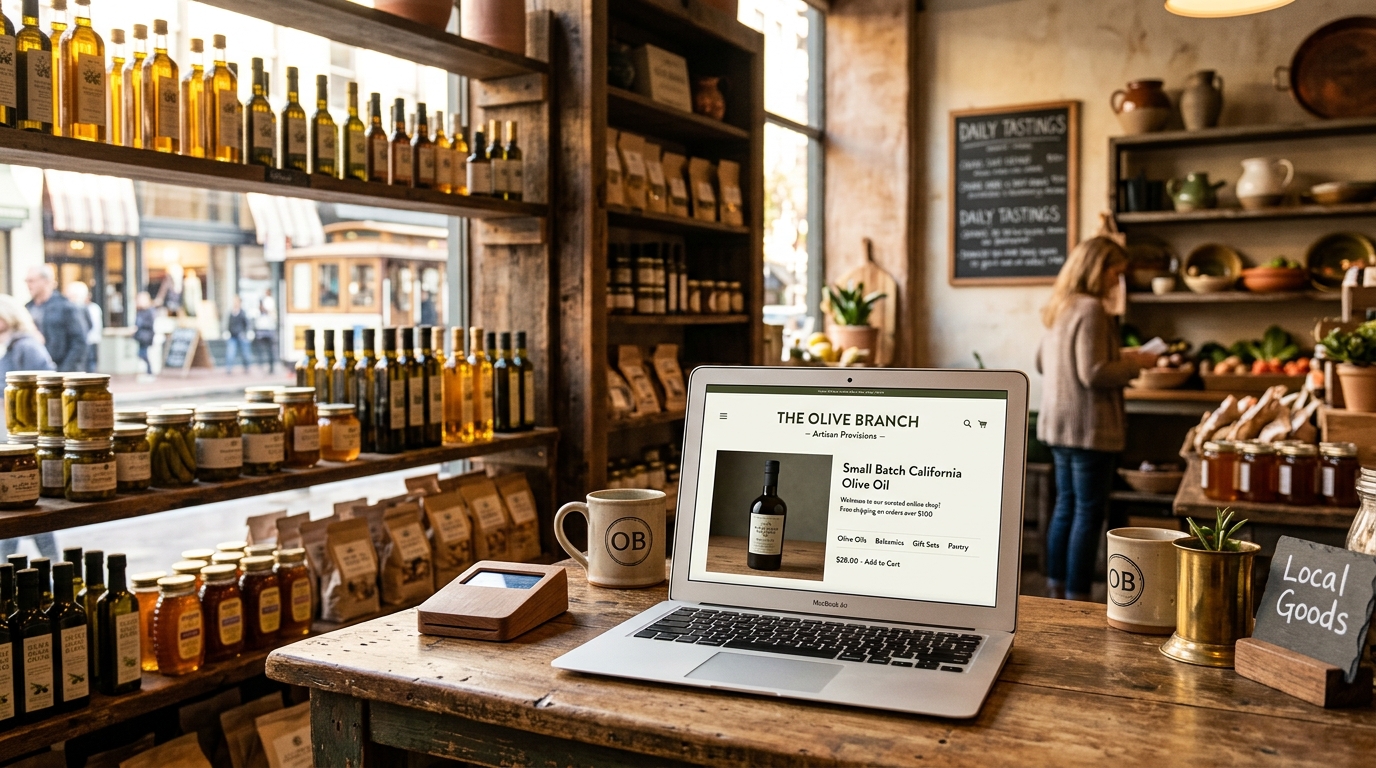
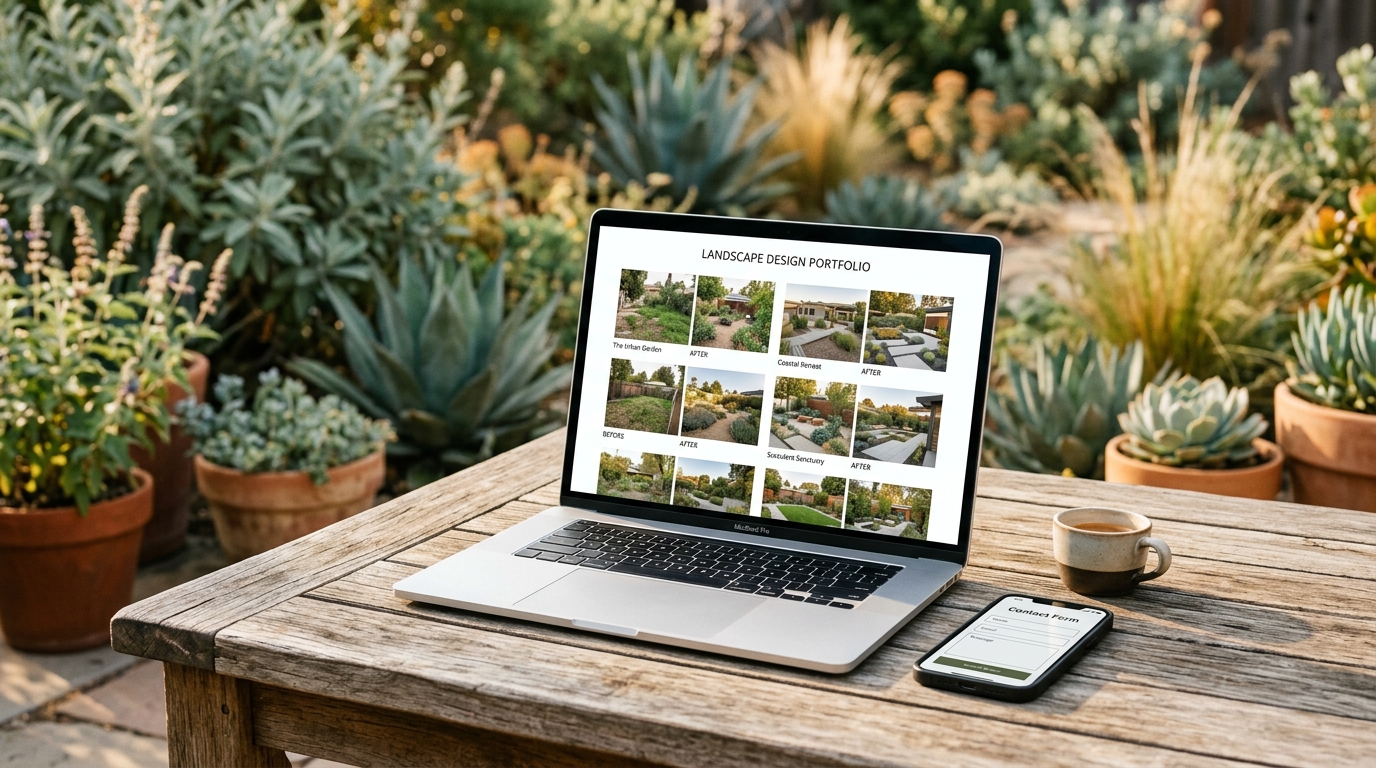
Most Bay Area landscapers pay $150+/mo for platforms that bury their work. A basic custom site with real project photos outperforms all of them.
Template stores are the frozen lasagna of e-commerce. Here's what custom ecommerce bay area shops are actually building - and why it tastes better.
Most Bay Area small businesses have a website nobody finds. Google Business Profile is the free tool that fixes that - here's exactly how to use it.
Bay Area small businesses deserve websites built by people who know the market. Here's why local beats remote - and what it actually costs in 2026.
PHP runs 77% of the internet, costs almost nothing to host, and doesn't send you a subscription renewal email. Here's why boring tech wins.
A real custom web application case study showing how a small auto parts exporter replaced spreadsheets with a built-to-fit inventory system - and saw 11% more sales.
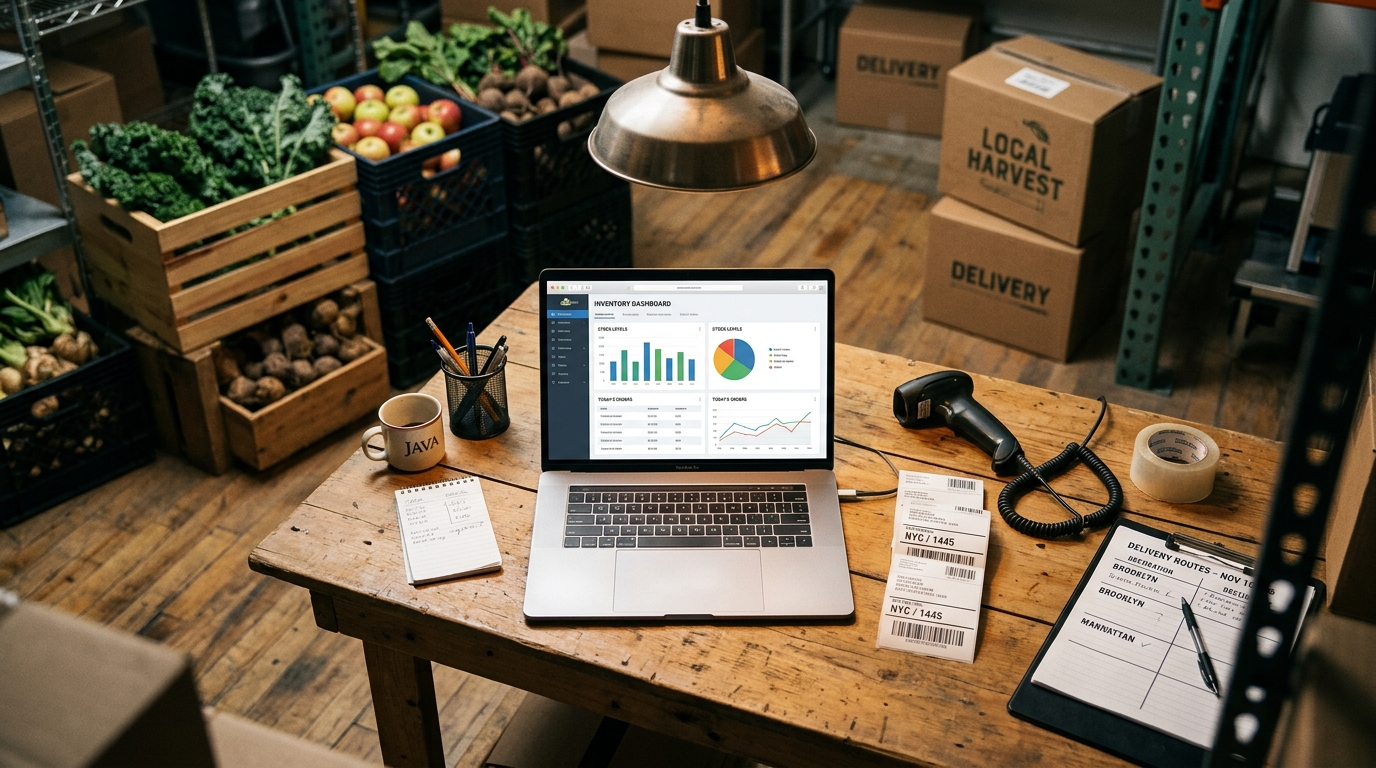
A real story about building a custom supply chain management system in PHP for a Bay Area food distributor - what worked, what broke, and what it actually cost.
Solo founder reflects on 20+ years of code — from writing 200 VB6 bots for Yahoo Pool forums at age 14 to building production AI systems for small businesses today. Why AI disruption is the same old...
Framer is a powerful DIY website builder - but when does a Sunnyvale small business actually need a local web developer instead? An honest comparison with real pricing.
How a Bay Area property services company went from a broken WordPress site to a custom web app in 14 days - and doubled their monthly leads.
Most booking system small business guides push expensive monthly subscriptions. Here's what a Bay Area dog groomer taught me about picking the right one.
Squarespace and Wix are popular for a reason. But an affordable web developer for small business might cost less long-term. Here's how to actually decide.
A real breakdown of how one Bay Area restaurant ditched $380/month in SaaS fees for a custom ordering system that costs less than a large pizza.
Most small businesses grab Typeform or HubSpot for their signup forms. A custom-coded alternative tripled conversions for a Bay Area dental office.
What to actually look for when you search 'web developer for small business near me' - and how to avoid the expensive mistakes most owners make.
That booking widget on your wellness studio site might be quietly eating 3% of every appointment. Here's what's really going on and what to do about it.
A $5/month VPS runs a Fremont cabinet shop doing $412K a year. The boring stack outperforms SaaS for most small businesses - here's the math.
Twenty years of building things for small businesses taught me that the shiniest code often hides the dumbest decisions. Here's my list.
Choosing a popular tool vs custom-built isn't rebellion - it might be the most boring, responsible thing you do for your business this year.
Multi-step forms and chatbot pop-ups get all the buzz. A simpler above-the-fold layout quietly converts better for most small businesses.
Everyone says post more. The math says post better. Here's how a blog for lead generation actually works when you stop chasing volume.
Etsy takes 12%+ per sale. A custom artist shop website costs less per year than two months of marketplace fees. Here's how to make the switch without losing customers.
SEO costs $1,500/month and takes six months. Google Business Profile is free and shows up tomorrow. For most tradespeople, the choice is obvious.
Everyone reaches for managed databases, Kubernetes, and microservices first. But the companies quietly shipping fastest often run SQLite, a VPS, and a deploy script.
Most small business chatbots answer five questions and punt the rest. Here's what actually works when you compare chatbot vs human support.
Your landing page has about 3 seconds before visitors bounce. Here's how to build an above-the-fold section that makes them stay.
Most citation services blast your business info to 200 directories nobody visits. Here's how to set up the three local citations that actually get you found.
Most web dev tutorials skip the boring stuff. A free desktop crawler shows you exactly what they left out - and what it's costing your search traffic.
Most professional services sites skip the one page that actually converts visitors into leads. It's the online equivalent of never asking for the date.
Dental websites all look the same because they're built from the same three platforms. Here's what the top-performing offices do differently.
Most HVAC websites look fine and do nothing. Here's what the sites that actually generate calls have in common - and the cheaper path nobody's marketing to you.
A practical guide to spotting AI-written competitor blogs - and what their shortcuts reveal about where your own content strategy should go next.
The Cheesecake Factory has a 21-page menu and nobody calls it the best at anything. Here's why your content marketing small business strategy shouldn't look like that either.
Regular SEO and local SEO are different games with different rules. Here's how to set up local SEO for your small business in 2026, step by step.
A squirrel dad vibe-coded the #1 App Store hit alone. Here's how one person business dev setups actually work when nobody's watching.
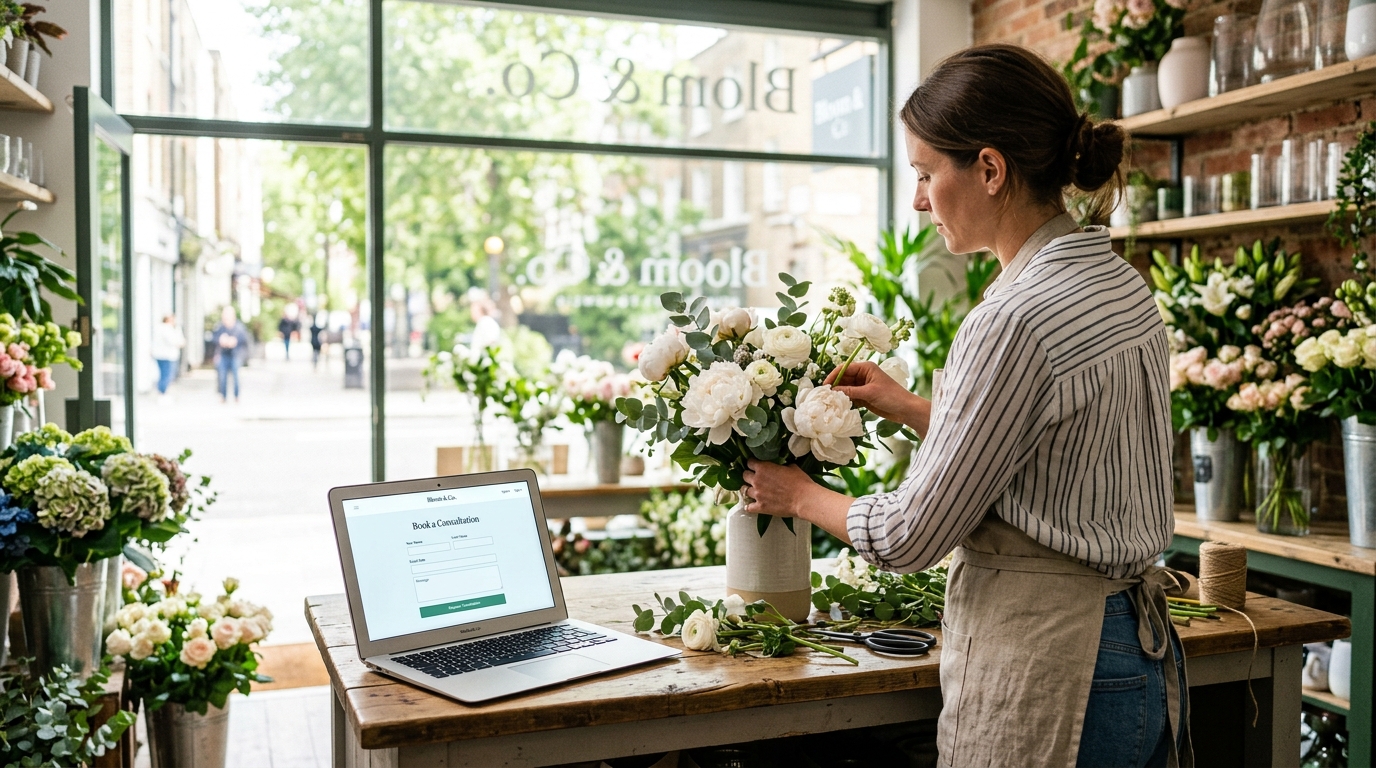
Most florists pay $80-100/month for website platforms that rank poorly in local search. Here's the alternative approach that actually books weddings.
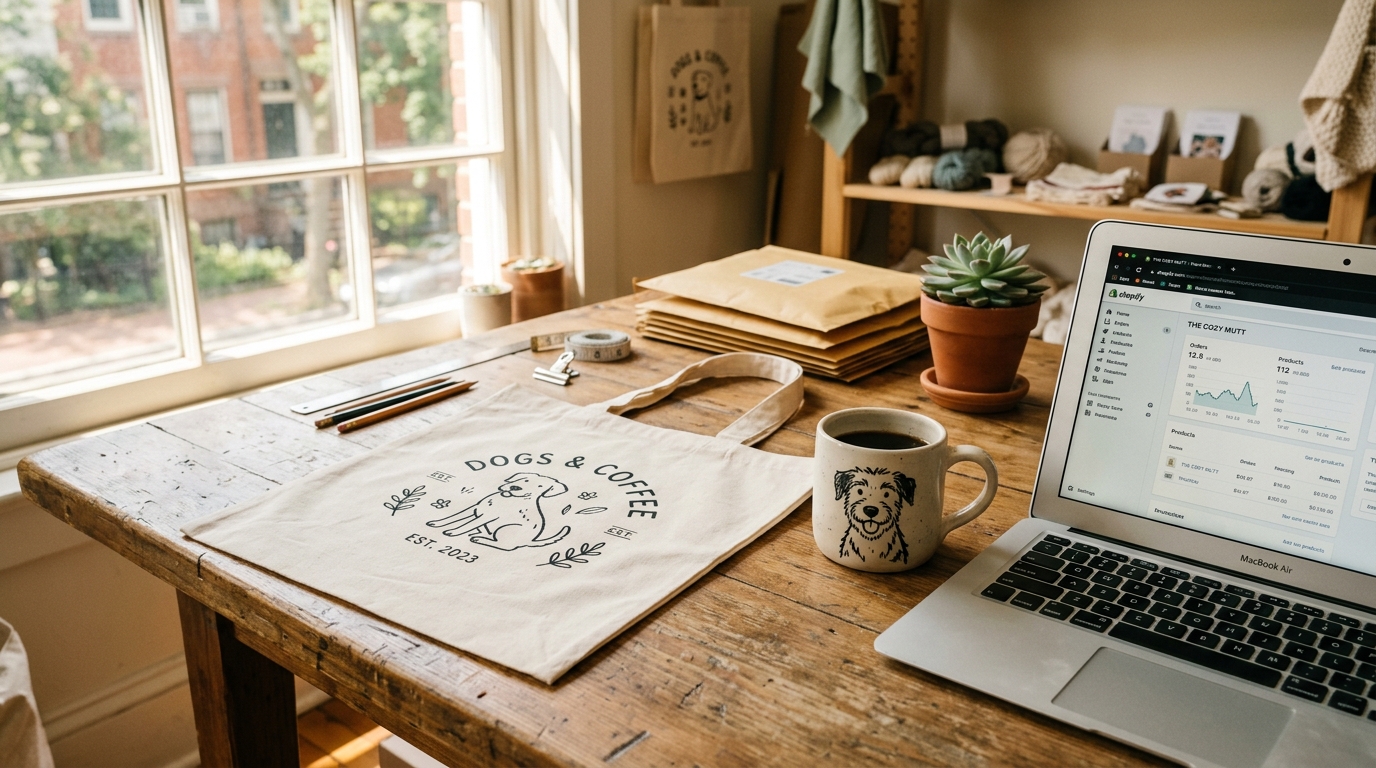
Platform fees are eating your margins alive. Printify lets you sell custom products with zero inventory and keep more of your money.
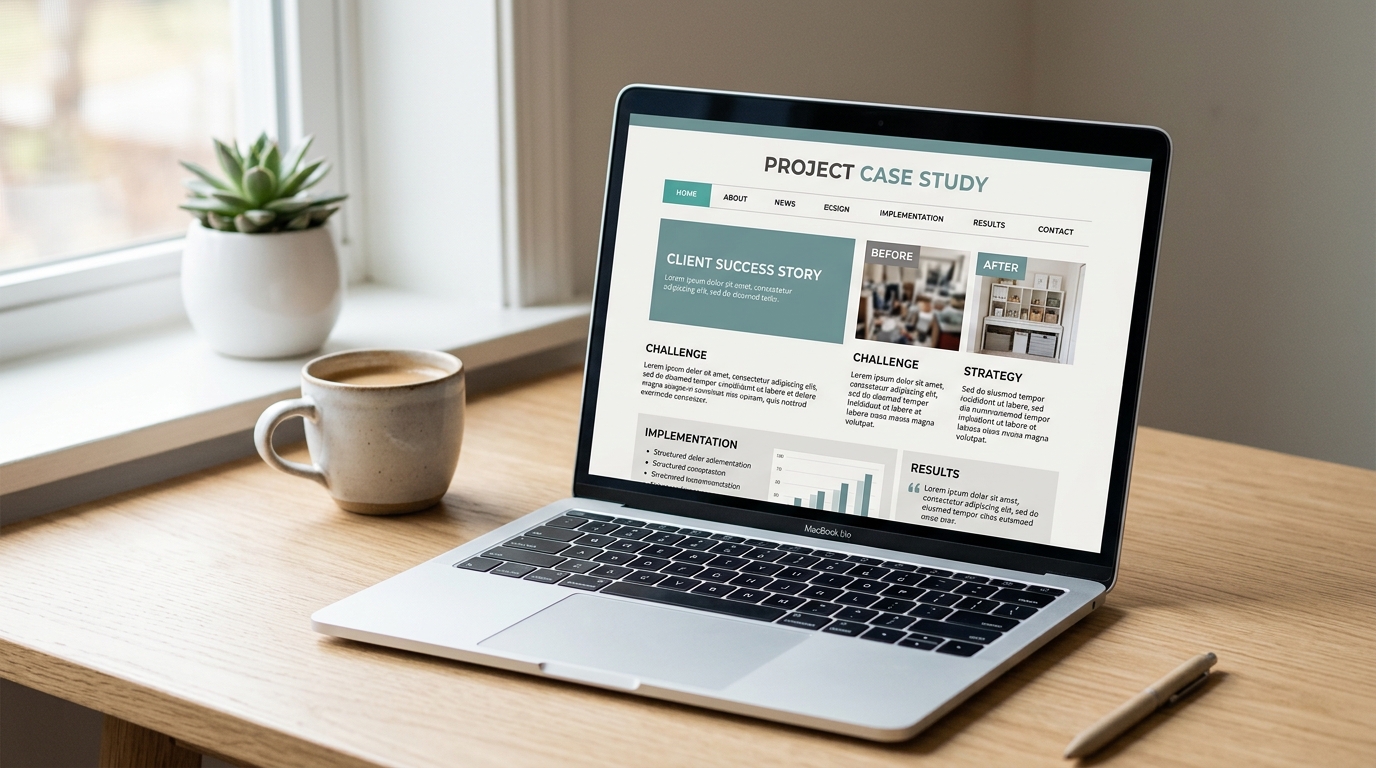
Most service businesses skip case studies entirely. A simple case study site template changes how prospects evaluate you before the first call.
Everyone says PHP is dead. Meanwhile, 77% of the web runs on it and local shops keep choosing it over trendier options. Here's why.
No-code tools are popular for good reasons. But once you hit their walls, the monthly fees keep climbing while your options shrink.
You're paying monthly for software you barely open. Here's when to buy once and walk away - and when the subscription actually earns its keep.
Most conversion audit guides assume you have a CRO team and $3K/month in tools. Here's the version that works with a browser, a Saturday, and zero budget.
Bandcamp takes 10-15% of every sale. Big Cartel gives musicians a simple website with zero revenue cuts - free for up to 5 products.
Lead-gen platforms charge contractors $30-80 per lead. A single well-built site can replace all three - here's the tool that makes it practical.
Most small businesses feed their customer data into ChatGPT without a second thought. There's a free tool that runs AI entirely on your own machine.
If you're asking 'do I need a website for my small business,' the answer is yes - and the cost of not having one is probably higher than you think.
Most small business websites lose leads after hours. An AI chatbot for small business website changes that - here's how it actually works, what it costs, and whether it's worth it.
Most AI tools overpromise and underdeliver. Here are the ones that actually work for small businesses - with real pricing, real examples, and zero hype.
What building an AI trading bot taught me about ai automation for small business - and why the same principles apply to your HVAC company or bakery.