
There's a restaurant in every city that's been open for 40 years. The menu hasn't changed. The décor is from a decade you can't quite place. And every single night, it's packed - because the food is genuinely good.
PHP is that restaurant.
If you're a small business owner Googling "php web developer bay area" at 11 PM because your current website situation is... a situation, congratulations. You've accidentally stumbled onto the smartest search you'll run this year. While everyone else is chasing whatever framework dropped last Tuesday, PHP is quietly running 77% of the websites on the internet. Including the one you're reading right now.
Let me explain why that matters to your actual business - and your actual bank account.
What a PHP Web Developer in the Bay Area Actually Builds for You
PHP is a programming language. That's it. It's not a platform you subscribe to. It's not a drag-and-drop builder that looks great in the demo and falls apart when you need it to do one specific thing. It's the language that runs Facebook, Wikipedia, WordPress, and roughly three-quarters of every website you've ever visited.
When you hire a php web developer bay area, you're getting a custom-built website that does exactly what your business needs - no more, no less. Need a booking system for your salon? Done. Need a customer portal where your HVAC clients can check their service history? Done. Need an online menu that you can update yourself without calling anyone? Also done.
The difference between PHP and the subscription platforms is the difference between owning your car and leasing it. With PHP, you own the code. You own the site. If your developer gets hit by a bus (morbid, but every business owner thinks about this), any other PHP developer on the planet can pick up where they left off. Try that with a proprietary website builder.
The $14/Month Website vs. the $200/Month Website
Here's where it gets fun - and by fun, I mean the kind of fun where you save money, which is the best kind of fun when you're running a small business.
A PHP website needs two things to run: hosting and a domain name. Basic shared hosting runs about $5 - 14/month. A domain is $12 - 15/year. That's it. Your entire web presence costs less than a single lunch in downtown Sunnyvale.
Compare that to the subscription model. Squarespace starts at $16/month but you'll want the $33/month plan for e-commerce. Shopify starts at $39/month. Wix's business plan is $17/month but starts nickel-and-diming you for apps and plugins. And those are just the base prices - they go up, because of course they do.
Over five years, a Squarespace business site costs you roughly $1,980 in subscription fees alone. A custom PHP site? Maybe $600 - 800 to build (or starting at $500 if you know the right people), plus about $900 in hosting over that same five years. You come out ahead, and you actually own the thing.
Even Canonical is betting on open, transparent tech for Ubuntu's long-term roadmap - the same philosophy that makes PHP hosting dirt-cheap on any Linux server. Open beats proprietary when you're thinking in years, not quarters.
Real Example: A Plumbing Company in San Jose
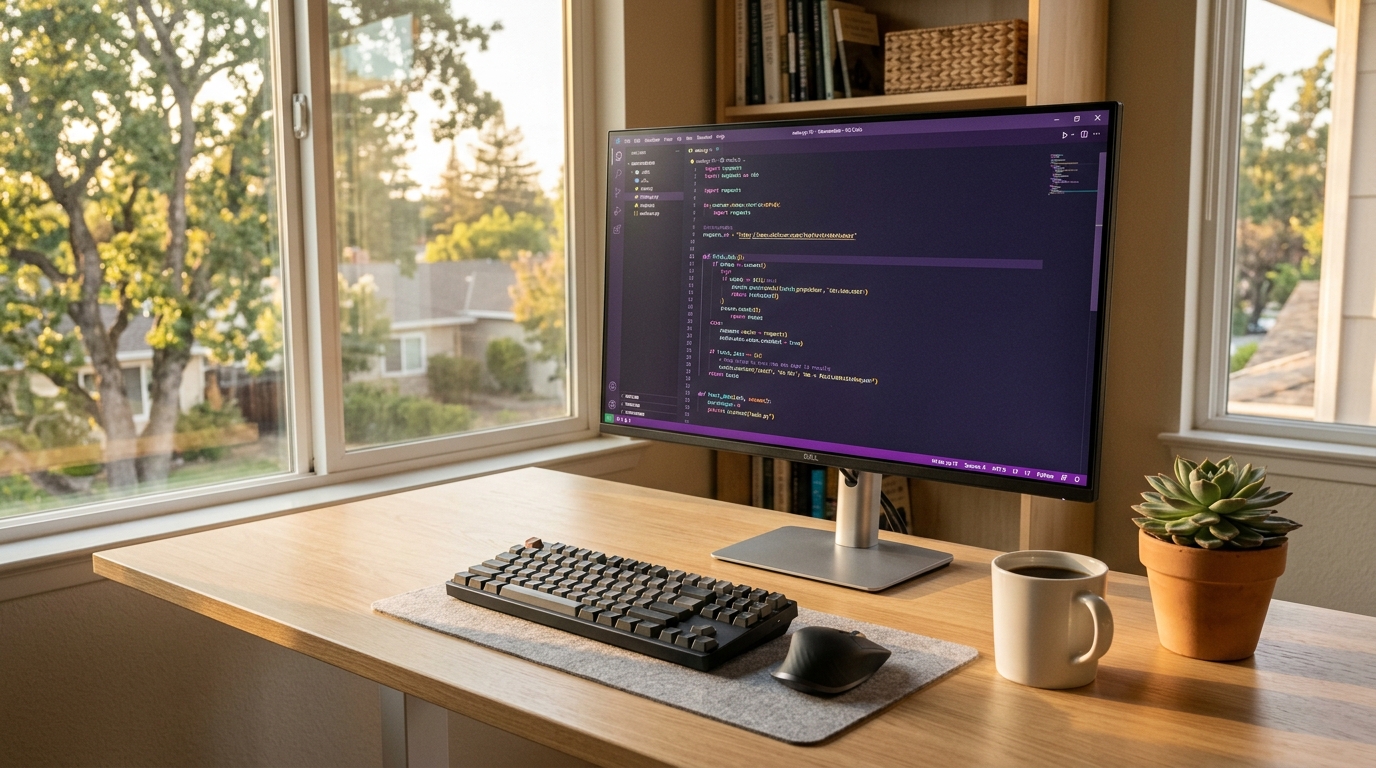
A php web developer bay area builds you a site that does this:
- Service area pages optimized for every city you cover - San Jose, Santa Clara, Campbell, Los Gatos - each with its own landing page that actually shows up in Google
- An online booking form that feeds straight into your calendar
- A review showcase that pulls your latest Google reviews automatically
- A simple admin panel where your dispatcher can update pricing, add service areas, or post a holiday notice - without knowing how to code
- Page load time under 2 seconds, because Google cares about that and so do impatient homeowners with a leaking pipe
Total cost: somewhere between $500 and $1,500 depending on complexity. Monthly hosting: $10 - 14. And when you need a change six months later - add an emergency services page, update your service list - your Bay Area PHP developer makes the edit, and you're done. No wrestling with drag-and-drop builders that won't let you put a button where you need it.
The Honest Pros and Cons
Pros:
- You own everything. The code, the design, the data. Move hosting providers whenever you want. No vendor lock-in, no "please export my site" panic attacks.
- It's cheap to run. $5 - 14/month hosting vs. $17 - 39/month subscriptions. Over time, this adds up to real money - the kind you could spend on actual marketing.
- It does exactly what you need. Custom means custom. Your site isn't forced into someone else's template logic. If you need a weird feature (and every business has at least one weird requirement), PHP handles it.
Cons:
- You need a developer. You can't drag and drop your way to a PHP site. You need someone who knows what they're doing. (Hi. That's literally what I do.)
- Updates require a human. Squarespace auto-updates its platform. A custom PHP site needs a developer to handle security patches. Most developers offer maintenance plans for $50 - 100/month, which is still less than Shopify.
- The initial build takes longer. A Wix site can be live in a weekend. A custom PHP site takes 1 - 4 weeks depending on scope. But "fast to launch, painful to maintain" is a trade-off worth thinking about.
But What About WordPress? Or Squarespace?
Fair questions.
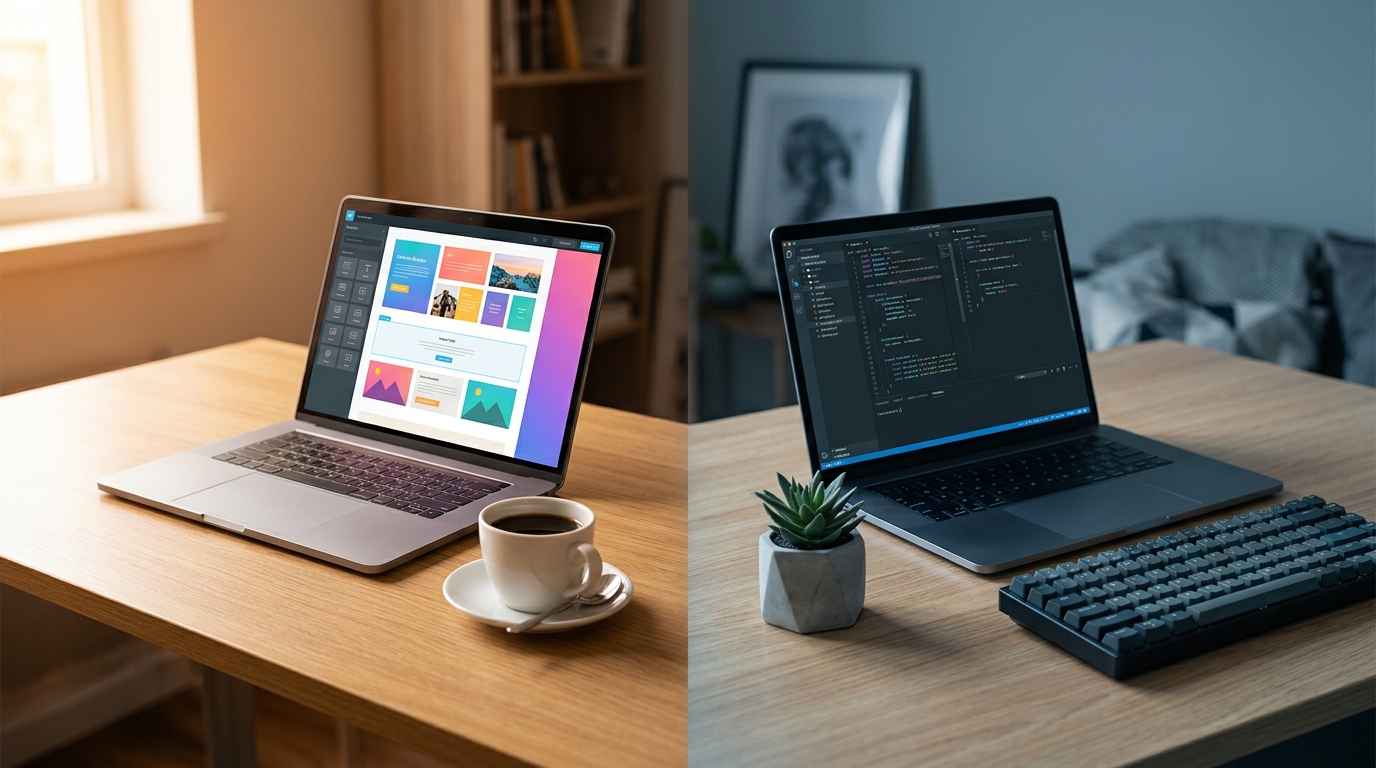
WordPress is actually built on PHP, which is kind of hilarious in this context. It's a great option for blogs and content sites. But for custom functionality - booking systems, client portals, inventory management - you end up installing 15 plugins that each slow your site down and may or may not play nice with each other. At some point, you're fighting the platform instead of using it. A php web developer bay area can build you something cleaner from scratch in less time than you'd spend debugging plugin conflicts.
Squarespace is beautiful out of the box. Genuinely. If you need a simple portfolio or brochure site and you never want to talk to a developer, Squarespace is a perfectly fine choice. But the moment you need something it wasn't designed for - and you will - you're stuck. There's no "just add that feature" option. There's "find a workaround" or "start over."
PHP doesn't have that ceiling. It grows with your business because there's no template to outgrow.
Finding the Right PHP Web Developer in the Bay Area
Here's my unsolicited advice as someone who's been doing Bay Area PHP web development from Sunnyvale for over two decades: look for a developer who asks about your business before they talk about technology. The tech part is the easy part. Understanding that your dog grooming salon needs a "book by breed size" feature because a Great Dane appointment takes three times as long as a Chihuahua? That's the part that actually matters.
Also, ask to see live sites they've built, not just screenshots. Screenshots are like dating profile photos - everyone looks good in screenshots. Live sites tell you if the developer builds things that actually survive contact with real users.
And one more thing: if someone tries to sell you a "custom website" that's actually a WordPress theme with your logo swapped in, that's not custom. That's a find-and-replace with a bigger invoice. You deserve better.
The Boring Tech Pitch
PHP isn't trendy. Nobody's writing breathless LinkedIn posts about it. There's no PHP conference keynote where someone announces that PHP will change the world. It already changed the world, quietly, 25 years ago, and then kept showing up every day like a line cook who never calls in sick.
If you're a small business owner in the Bay Area and you want a website that loads fast, costs almost nothing to host, does exactly what your business needs, and will still be running perfectly five years from now without a subscription that keeps creeping up - you want a php web developer bay area who builds with this stuff daily.
That's the pitch. No fireworks. Just a website that works and a monthly bill that doesn't make you wince.
If you want to talk about what a custom site could look like for your business, I'm at nerd@a84y.com. Or poke around autom84you.com and see what boring tech looks like when it's done right. I promise it's more interesting than it sounds.


Comments
No comments yet. Be the first to share your thoughts!
Leave a Comment